Murlidhar Varma
Are These High-Protein Vegetarian Indian Recipes the Secret to Staying Fit in 2025?
Looking for delicious ways to stay healthy and energized? High-protein vegetarian Indian recipes might be exactly what your meal plan needs. These dishes combine the rich flavors of traditional Indian cuisine with powerful plant-based proteins that keep you full, fuel your workouts, and support your fitness goals. Whether you are a seasoned home cook or just starting your health journey, these recipes prove that eating well never has to be boring.
Indian vegetarian cooking has always been ahead of the curve when it comes to high-protein vegetarian Indian recipes. From lentils and chickpeas to paneer and nuts, the variety is endless. People around the world are discovering what Indian households have known for generations. Plants can provide all the protein you need. The best part? You do not have to sacrifice taste for nutrition.
In 2025, fitness enthusiasts globally are turning to these time-tested recipes. They are easy to prepare, budget-friendly, and incredibly satisfying examples of high-protein vegetarian Indian recipes. From busy professionals in London to health-conscious families in Mumbai, everyone is embracing these wholesome meals. Let us explore why these dishes deserve a spot on your plate.
The beauty of Indian vegetarian cuisine lies in its diversity. Each region offers unique protein-packed dishes that cater to different tastes and dietary needs. Explore our collection of authentic Indian recipes to discover even more ways to enjoy healthy, flavorful meals at home. Whether you prefer creamy curries or light, refreshing salads, there is something for everyone in this vibrant culinary tradition.
What Makes High-Protein Vegetarian Indian Recipes So Nutritious?
The secret lies in the ingredients. Indian cooking relies heavily on legumes, dairy, and whole grains. These foods deliver complete proteins, essential amino acids, and fiber in every bite. Chickpeas alone pack about 15 grams of protein per cup. Lentils offer even more, making them a staple in vegetarian diets worldwide.
Paneer, a fresh Indian cheese, provides casein protein that digests slowly. This keeps you satisfied longer and supports muscle recovery. Tofu and tempeh variations are also gaining popularity among vegan cooks. They absorb flavors beautifully and work in countless recipes.
Spices do more than add flavor. Turmeric, cumin, and coriander have anti-inflammatory properties. They boost digestion and enhance nutrient absorption. This means your body gets more benefits from every meal. It is nutrition science meets culinary art.
Which Protein-Rich Indian Dishes Should You Try First?
Start with classics that have stood the test of time. Chana masala, a spiced chickpea curry, is beloved from Delhi to New York. It is simple to make and incredibly comforting. Serve it with brown rice or whole wheat roti for a complete meal.
Dal makhani is another crowd-pleaser. This creamy black lentil dish originated in Punjab but is now enjoyed globally. Restaurants from Paris to Singapore feature it on their menus. The slow-cooked lentils develop a rich, velvety texture that feels indulgent yet wholesome.
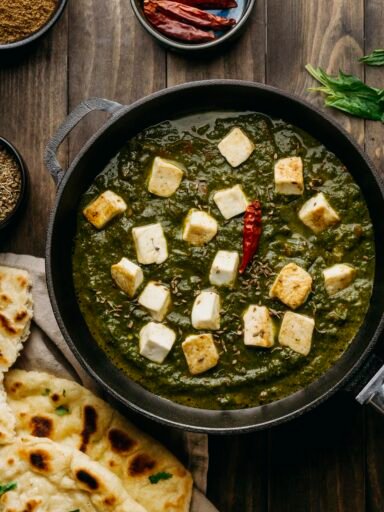
Palak paneer combines protein-packed cheese with iron-rich spinach. It is a nutritional powerhouse that tastes amazing. The vibrant green color looks beautiful on any table. Even picky eaters love this dish.
Rajma, or kidney bean curry, is a favorite in North Indian households. It pairs perfectly with rice and provides sustained energy. The complex carbohydrates and protein combination keeps blood sugar stable. This makes it ideal for active lifestyles.
How Can You Add More Plant-Based Protein to Your Indian Meals?
Small changes make a big difference. Swap regular rice for quinoa in your favorite dishes. This ancient grain adds complete protein and a pleasant nutty flavor. It works beautifully in pulao and biryani-style preparations.
Add crushed nuts to your curries and stir-fries. Cashews, almonds, and peanuts boost protein content instantly. They also create luxurious, creamy textures without heavy cream. This trick works for kormas, sabzis, and even breakfast upma.
Experiment with different lentils and beans. Moong dal, masoor dal, and toor dal each offer unique flavors and textures. Rotating them ensures you get a wide range of nutrients. It also keeps meals interesting throughout the week.
Try sprouting legumes before cooking. Sprouted mung beans and chickpeas have even higher protein availability. They are easier to digest and packed with enzymes. Add them to salads, chaats, or light stir-fries for extra nutrition.
Are High-Protein Vegetarian Indian Recipes Good for Weight Loss?
Absolutely. These dishes naturally support healthy weight management. The high fiber content keeps you feeling full longer. You are less likely to snack between meals. This creates a natural calorie deficit without hunger.
Protein requires more energy to digest than carbs or fats. This thermic effect boosts your metabolism slightly. Over time, this can support weight loss efforts. Combine these meals with regular activity for best results.
Many traditional Indian cooking methods are inherently healthy. Steaming, grilling, and dry roasting preserve nutrients. They avoid the excess oil used in some modern preparations. Stick to these techniques for lighter versions of your favorites.
Portion control still matters. Even healthy foods contribute calories if overeaten. Use smaller plates and listen to your body’s hunger cues. Enjoy your meals mindfully and savor every bite.
What Are Some Quick High-Protein Vegetarian Indian Recipes for Busy Weeknights?
Not everyone has hours to spend in the kitchen. Fortunately, many Indian dishes come together quickly. Tadka dal takes just twenty minutes from start to finish. The tempering of spices adds incredible depth without lengthy cooking.
Paneer bhurji is another speedy option. Crumbled paneer cooks in minutes with onions, tomatoes, and spices. It is scramble-like and perfect for breakfast or dinner. Serve it with toast or wrap it in a roti for a portable meal.
Chickpea flour, or besan, is a protein powerhouse. Use it to make quick cheela or savory pancakes. Mix the batter with herbs and vegetables for extra nutrition. They cook in five minutes and make excellent snacks or light meals.
Overnight soaked oats with Indian flavors offer a no-cook breakfast. Add chia seeds, nuts, and cardamom for protein and taste. Prepare them the night before for a grab-and-go morning. It is convenience meets nutrition.
How Do These Recipes Fit Into a Modern Fitness Lifestyle?
Athletes and gym enthusiasts are embracing these ancient foods. Protein shakes have their place, but whole foods offer so much more. The combination of protein, fiber, and micronutrients supports overall health. You are not just building muscle; you are nourishing your entire body.
Pre-workout, a light dal or sprout salad provides sustained energy. Post-workout, paneer-based dishes support muscle recovery. The calcium in dairy also strengthens bones. This is especially important for women and aging adults.
Meal prepping these dishes saves time during hectic weeks. Cook large batches of lentils and beans on weekends. Store them in portions for easy assembly. You will always have healthy options ready.
Communities in cities like London, Toronto, and Sydney are creating fusion versions of high-protein vegetarian Indian recipes. They blend traditional flavors with modern dietary needs. Quinoa khichdi and lentil Buddha bowls are trending globally. This evolution keeps the cuisine fresh and relevant.
Can Beginners Master These High-Protein Indian Dishes?
Yes, and they should start immediately. Indian cooking is more forgiving than many assume. The spice combinations are flexible. Adjust them to your taste preferences without losing the essence.
Begin with simple one-pot meals. Khichdi, a rice and lentil porridge, is virtually impossible to mess up. It is comforting, nutritious, and endlessly customizable. Add vegetables or serve with yogurt for extra protein.
Invest in basic spices. Cumin, coriander, turmeric, and garam masala form the foundation. These four spices create countless flavor profiles. Buy them in small quantities to keep them fresh.
Follow recipes closely at first. As you gain confidence, improvise and adapt. Cooking is a skill that improves with practice. Soon you will create signature dishes that friends and family request regularly.
Ready to Transform Your Meals with High-Protein Vegetarian Indian Recipes?
There has never been a better time to explore this delicious, nutritious cuisine. Your body will thank you for the protein boost. Your taste buds will celebrate the incredible flavors. Your wallet will appreciate the affordable ingredients.
Start with one recipe this week. Master it, enjoy it, then expand your repertoire. Build a collection of go-to meals that support your health goals. Share them with loved ones and spread the joy of good food.
The fitness secret of 2025 is not a trendy supplement or expensive meal plan. It is the wisdom of generations, served on your plate. High-protein vegetarian Indian recipes offer everything modern eaters need. They are wholesome, satisfying, and absolutely delicious.
Explore more recipes on CholeBature and discover your new favorite healthy dishes today. Your journey to better eating starts with a single, flavorful bite.