Chitti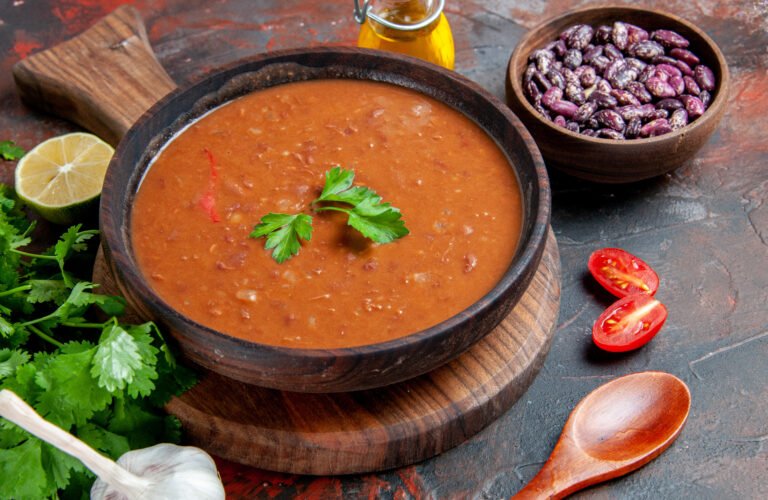
The Authentic Rajma Recipe That Tastes Like Punjabi Grandma’s Cooking
This rajma recipe is the real deal. It is rich, creamy, and packed with the slow-simmered flavor that only a Punjabi grandmother could achieve. You will need dried red kidney beans, aromatics like onions and tomatoes, and a carefully balanced blend of spices. The secret? Patience and the right technique.
Rajma chawal, the iconic combination of kidney bean curry and steamed rice, is comfort food across India and beyond. It brings people together around the dinner table in homes from Delhi to Dubai and from Mumbai to Melbourne. The dish represents the heart of Punjabi hospitality.
The magic of this dish lies in its simplicity. Unlike restaurant versions that rely on heavy cream, this traditional approach uses slow cooking and the natural starch from the beans to create that signature silky texture. The spices bloom in ghee, releasing oils that infuse every bite.
If you are new to North Indian cooking, start with our essential Punjabi spices guide. It breaks down the whole spices and ground masalas you will need. Understanding your ingredients makes all the difference between a good curry and an unforgettable one.
What Makes This Rajma Recipe So Special?
The first thing you notice is the aroma. As the onions caramelize and the tomatoes break down, your kitchen fills with a scent that transports you straight to a Punjabi home. It is unmistakable and deeply comforting.
The texture is equally important. Restaurant rajma can be thin and watery. This homemade version is thick enough to coat the back of a spoon. Each bean is tender but still holds its shape, creating the perfect bite when mixed with rice.
The flavor profile balances warmth from cumin and coriander with the gentle heat of Kashmiri red chilies. A touch of kasuri methi at the end adds an earthy, slightly bitter note that ties everything together beautifully.
People around the world have fallen in love with this dish. It has become a staple in vegetarian and vegan households globally. The protein-rich kidney beans make it a complete meal when paired with rice or roti.
Why Do Punjabi Families Swear by Slow Cooking?
Grandmothers in Punjab have been making rajma the same way for generations. They start early in the morning, soaking the beans overnight. The slow simmering process cannot be rushed. It takes time for the flavors to meld and deepen.
This methodical approach transforms simple ingredients into something extraordinary. The onions cook until they are practically melting. The tomatoes reduce to a concentrated paste. The spices toast and release their essential oils.
In modern kitchens, we often look for shortcuts. But some things are worth the wait. This dish teaches us that good food takes time. The result is a curry that tastes like it has been cooking all day because, well, it has.
The slow cooking also improves digestibility. Kidney beans contain complex sugars that can be hard to break down. The extended cooking time helps eliminate these compounds, making the dish gentler on your stomach.
How Do You Choose the Best Kidney Beans?
Not all kidney beans are created equal. The variety matters. Kashmiri rajma, with its smaller size and deeper red color, is prized for its creamy texture. However, the larger California or Mexican varieties work beautifully too.
Look for beans that are uniform in size and free from cracks. Store them in an airtight container away from moisture. Old beans take longer to cook and may never achieve that perfect tenderness. Freshness counts.
The soaking step is non-negotiable. Eight to twelve hours in plenty of water ensures even cooking. Some cooks add a pinch of baking soda to the soaking water, which helps soften the beans further. Just remember to rinse them well before cooking.
Pressure cooking has made this dish more accessible to busy cooks. What once took hours on the stovetop now takes about 30 minutes. The results are nearly identical if you follow the right technique and do not skimp on the simmering time after pressure cooking.
What Are the Essential Spices for Authentic Flavor?
The spice blend, or masala, is where the magic happens. You will need cumin seeds, coriander powder, turmeric, and red chili powder. Each plays a specific role in building the flavor foundation.
Cumin adds an earthy warmth. Coriander brings a citrusy brightness. Turmeric provides color and subtle bitterness. The red chili powder contributes heat and that gorgeous red hue we associate with North Indian curries.
Garam masala goes in at the very end. This blend of warm spices like cinnamon, cardamom, and cloves adds a final layer of complexity. It should be sprinkled in during the last few minutes of cooking to preserve its volatile aromatics.
Fresh ginger and garlic form the base of the curry paste. Do not use pre-made pastes if you can help it. The fresh versions have a brightness that cannot be replicated. Pound them together into a coarse paste for the best results.
Can You Make This Rajma Recipe Vegan or Healthier?
Absolutely. This dish is naturally vegan when you use oil instead of ghee. Many traditional households actually prefer mustard oil for its pungent kick. It adds another dimension to the flavor profile that is worth exploring.
For a healthier version, reduce the amount of oil and skip the butter finish. The curry will still be delicious. You can also use brown rice instead of white rice for added fiber and nutrients. The combination remains just as satisfying.
Some cooks add vegetables to bulk up the curry. Diced carrots, bell peppers, or even spinach can be stirred in during the last few minutes of cooking. These additions make the dish even more nutritious without compromising the classic flavor.
Meal preppers love this recipe. It tastes even better the next day as the flavors continue to develop. Make a big batch on Sunday and enjoy it throughout the week. It freezes well too, so you can always have a homemade meal ready.
Ingredients You Will Need
- 1 cup dried red kidney beans, soaked overnight
- 2 tablespoons ghee or oil
- 1 large onion, finely chopped
- 2 medium tomatoes, pureed
- 1 tablespoon ginger-garlic paste
- 1 teaspoon cumin seeds
- 1 teaspoon coriander powder
- 1/2 teaspoon turmeric powder
- 1 teaspoon Kashmiri red chili powder
- 1 teaspoon garam masala
- 1 tablespoon kasuri methi (dried fenugreek leaves)
- Salt to taste
- Fresh cilantro for garnish
Step-by-Step Instructions
Drain and rinse the soaked kidney beans. Pressure cook them with fresh water and a pinch of salt for about 20 minutes until tender. If using a stovetop, simmer for 1.5 to 2 hours until the beans are soft.
Heat ghee in a heavy-bottomed pan. Add cumin seeds and let them sizzle for a few seconds until fragrant. This step, called tadka, blooms the spices and creates the foundation of flavor.
Add the chopped onions and cook on medium heat. Stir occasionally and be patient. You want them to turn a deep golden brown, which takes about 15 to 20 minutes. This caramelization is crucial for the final color and taste.
Stir in the ginger-garlic paste and cook for another 2 minutes until the raw smell disappears. Add the tomato puree and all the ground spices except garam masala. Cook until the oil separates from the masala, about 10 to 12 minutes.
Add the cooked kidney beans along with their cooking liquid. Simmer on low heat for at least 20 minutes, mashing some beans against the side of the pan to thicken the gravy. The longer it simmers, the better it tastes.
Finish by stirring in garam masala and crushing kasuri methi between your palms before adding it. Garnish with fresh cilantro and serve hot with steamed rice or warm rotis.
Pro Tips for the Best Results
Do not rush the onion browning. This is where many home cooks go wrong. Pale onions equal pale curry. Take your time and let them develop that rich, caramelized sweetness.
Save the bean cooking water. It is starchy and flavorful, perfect for adjusting the consistency of your curry. Plain water works in a pinch, but the cooking liquid adds extra depth.
Mash about a quarter of the cooked beans against the pan. This releases their starch and naturally thickens the gravy without needing cream or flour. It is the traditional technique that gives authentic rajma its signature texture.
Taste and adjust seasoning at the end. The salt level can change as the curry simmers. A squeeze of lemon juice right before serving brightens all the flavors and cuts through the richness.
What to Serve With This Rajma Recipe?
Steamed basmati rice is the classic pairing. The fluffy grains soak up the thick gravy beautifully. In Punjabi homes, this combination is called rajma chawal and is considered a complete meal.
Onion salad with lemon juice and chaat masala provides a refreshing contrast. The sharp, acidic crunch balances the rich curry. It takes two minutes to put together and makes a huge difference.
Pickled onions or green chili pickle add a spicy, tangy kick. A side of plain yogurt or raita cools the palate. These accompaniments turn a simple curry into a feast.
For a weekend lunch, add papadums and a simple cucumber salad. The crispy, peppery wafers are perfect for scooping up the last bits of curry from your plate. It is comfort food at its finest.
Final Thoughts
This rajma recipe honors the traditional Punjabi way of cooking. It is not fancy, but it is honest. Every bite carries generations of culinary wisdom passed down through families in India and now enjoyed by food lovers around the world.
Whether you are a beginner cook or an experienced home chef, this dish will become a regular in your rotation. It feeds a crowd, improves with time, and satisfies like few other vegetarian dishes can. The leftovers might be even better than the first day.
Gather your ingredients, clear your schedule, and let this curry simmer. Your kitchen will smell amazing. Your family will ask for seconds. And you will understand why this humble bean curry holds such a special place in so many hearts.
Ready to try more authentic Indian recipes? Explore more recipes on CholeBature and discover dishes that bring the warmth of Indian home cooking to your kitchen. Check out our latest posts for more food inspiration and join our community of passionate home cooks!