Chitti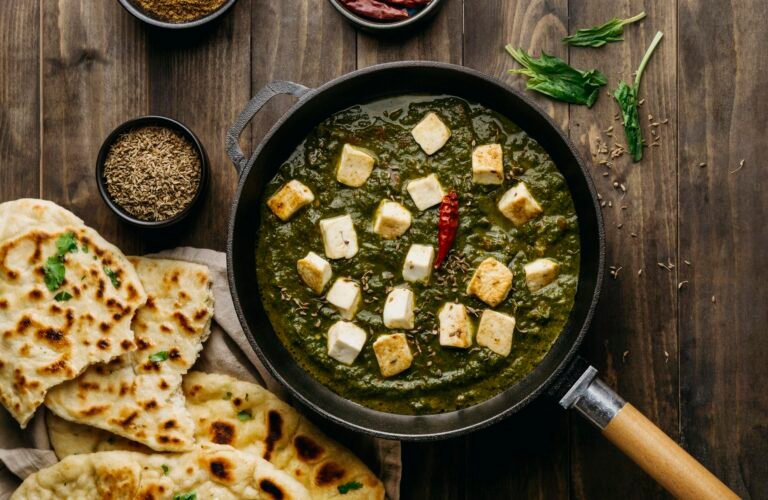
The Secret Ingredient in Restaurant-Style Matar Paneer: Master This Matar Paneer Recipe at Home
Have you ever wondered why restaurant matar paneer tastes so much better than what you make at home? The answer lies in one secret ingredient that transforms this classic North Indian dish from ordinary to extraordinary. This matar paneer recipe will help you recreate that magical restaurant flavor right in your own kitchen, no matter where you are in the world.
The truth is, professional chefs have been using this technique for decades. It’s not about expensive spices or complicated procedures. It’s about understanding how flavors develop and layering them correctly. Once you learn this secret, you’ll never make matar paneer the same way again.
What Makes This Matar Paneer Recipe So Special?
The secret ingredient that makes restaurant-style matar paneer irresistible is kasuri methi, also known as dried fenugreek leaves. This humble herb adds a subtle bitterness and earthy aroma that balances the richness of the cream and paneer perfectly. Chefs around the world, from London to Mumbai, swear by this ingredient.
But it’s not just about adding kasuri methi at the end. The real magic happens when you crush these dried leaves between your palms before adding them to the gravy. This releases the essential oils and creates that distinctive restaurant aroma that fills the room and makes everyone’s mouth water.
Another crucial element is the onion-tomato masala base. Restaurants cook this down until the oil separates and the raw smell completely disappears. This process, called bhunao, takes time but creates the foundation for an incredible matar paneer recipe that you can master at home.
If you enjoy exploring authentic Indian cuisine, you’ll love our authentic Punjabi chole recipe that uses similar slow-cooking techniques to develop deep, complex flavors. The principles of building a rich gravy base apply across many Indian dishes.
Why Do Restaurants Use Cream and Cashews?
That velvety smooth texture you love in restaurant matar paneer comes from a combination of fresh cream and soaked cashews. The cashews add body and richness without making the gravy too heavy. When blended with tomatoes and spices, they create a luxurious sauce that coats every piece of paneer beautifully.
Professional kitchens also use a technique called tempering or tadka at the end. This involves heating ghee with whole spices like cumin seeds and pouring it over the finished dish. It adds a final layer of flavor that takes your matar paneer recipe to the next level.
How Do You Choose the Best Paneer for Your Recipe?
Not all paneer is created equal. Fresh, soft paneer makes a world of difference in your final dish. Look for paneer that is soft to touch but holds its shape when cut. If you can find homemade paneer at your local Indian store, that’s always the best option for this matar paneer recipe.
Many home cooks make the mistake of adding raw paneer directly to the gravy. The restaurant secret? Fry or lightly pan-sear your paneer cubes first. This creates a golden crust that prevents the paneer from becoming rubbery and helps it absorb the flavors of the gravy better. People across Asia, Europe, and worldwide have started adopting this technique for better results.
Another tip is to soak your paneer in warm water for 10 minutes before adding it to the dish. This keeps the paneer soft and succulent, even after cooking in the gravy for several minutes. It’s a small step that makes a huge difference in texture.
What Spices Create That Restaurant Aroma?
The spice blend, or masala, is what gives matar paneer its characteristic flavor. While every chef has their own secret blend, the essential spices include coriander powder, cumin, turmeric, and red chili powder. The key is roasting your spices before grinding them if you’re using whole spices.
Garam masala is always added at the end of cooking to preserve its volatile oils. A sprinkle of homemade garam masala just before serving adds warmth and complexity that pre-made mixes simply cannot match. Food lovers from cities like London, Paris, and Mumbai all appreciate this attention to detail.
Can You Make a Healthier Version Without Compromising Taste?
Absolutely! Many health-conscious individuals wonder if they can enjoy this dish without all the cream. The good news is that you can substitute cashew cream or even thick yogurt for a lighter version. Greek yogurt works beautifully and adds a pleasant tanginess to the gravy.
You can also reduce the amount of oil used in the recipe. Instead of deep frying the paneer, simply pan-sear it with a light brushing of oil. The flavor remains exceptional while significantly cutting down on calories. This approach has become popular among meal planners and diet-specific seekers globally.
For those following vegan diets, you can substitute tofu for paneer and use coconut cream instead of dairy cream. The kasuri methi and spice blend will still create an authentic flavor profile that satisfies your craving for Indian comfort food.
How Long Should You Cook the Perfect Matar Paneer?
Patience is key when making restaurant-style matar paneer. The onion-tomato base needs at least 15-20 minutes of slow cooking to develop properly. Rush this step, and you’ll end up with a raw, acidic taste that no amount of cream can fix.
After adding the peas and paneer, let the dish simmer gently for another 8-10 minutes. This allows all the flavors to meld together beautifully. The peas should be tender but still have a slight bite, and the paneer should be heated through without becoming tough.
What Are the Best Accompaniments for Matar Paneer?
This creamy, flavorful dish pairs beautifully with a variety of Indian breads. Naan is the classic choice, with its soft, pillowy texture perfect for scooping up the rich gravy. Roti and paratha are equally delicious options that complement the dish without overpowering it.
If you prefer rice, jeera rice or plain steamed basmati work wonderfully. The mild flavor of the rice provides a perfect canvas for the complex spices in the matar paneer. For a complete meal, serve it with a side of cucumber raita and some pickled onions.
Beverage pairings matter too. A mango lassi cuts through the richness of the cream, while a hot cup of masala chai provides a comforting end to the meal. Food photographers and recipe collectors around the world love capturing this vibrant dish in all its glory.
How Do You Store and Reheat Leftovers?
Restaurant-style matar paneer actually tastes better the next day as the flavors continue to develop. Store leftovers in an airtight container in the refrigerator for up to 3 days. When reheating, add a splash of water or cream to restore the gravy’s consistency.
You can also freeze this dish for up to a month. Thaw it overnight in the refrigerator and reheat gently on the stovetop. The paneer may become slightly firmer after freezing, but the flavor remains delicious. This makes it perfect for busy parents and meal planners who like to cook in batches.
Why Does Homemade Matar Paneer Never Taste Like Restaurant Versions?
The main reason home-cooked matar paneer differs from restaurant versions comes down to technique, not ingredients. Restaurants use high heat and constant stirring to achieve that caramelized flavor base. They also cook in larger quantities, which actually helps flavors develop more fully.
Another factor is the use of professional-grade equipment. Restaurant stoves generate much higher heat than home burners, allowing for better searing and faster reduction of sauces. However, with the tips in this matar paneer recipe, you can come very close to that restaurant experience at home.
Don’t be discouraged if your first attempt isn’t perfect. Like any skill, making great matar paneer takes practice. Each time you make it, you’ll understand the process better and develop your own instincts for timing and seasoning.
What Mistakes Should Beginners Avoid?
One common mistake is adding spices directly to hot oil without any moisture. This causes them to burn and become bitter. Always ensure you have onions, tomatoes, or some liquid in the pan before adding ground spices.
Another error is overcooking the paneer. Once it becomes rubbery, there’s no saving it. Add the paneer at the end of cooking and just heat it through. The residual warmth of the gravy will continue to cook it even after you turn off the heat.
Finally, don’t skip the resting time. Letting your matar paneer sit for 10 minutes after cooking allows the flavors to settle and intensify. This patience pays off in a more harmonious and delicious final dish.
How Can You Elevate Your Matar Paneer Recipe Further?
For special occasions, consider garnishing your dish with edible silver leaf, known as varq. This traditional decoration adds a touch of elegance and makes the dish look truly restaurant-worthy. A sprinkle of toasted cumin seeds and fresh pomegranate seeds also adds visual appeal and textural contrast.
Experiment with different types of peas as well. While green peas are traditional, you can try using fresh snow peas or sugar snap peas for a different texture and flavor profile. Each variation brings something unique to this versatile matar paneer recipe.
Consider adding a handful of fresh spinach along with the peas for a matar paneer palak variation. This boosts the nutritional value while adding beautiful color to the dish. Food culture explorers love discovering these regional variations across India and beyond.
Remember, cooking is an art form that allows for personal expression. Once you master the basic technique, feel free to adapt the recipe to your taste preferences. Some like it spicier, others prefer more creaminess. Make it your own while respecting the fundamental principles that make this dish special.
Now that you know the secrets behind restaurant-style matar paneer, it’s time to head to your kitchen and put this knowledge into practice. Gather your ingredients, take your time with each step, and prepare to impress your family and friends with an authentic taste of India.
Ready to Cook Like a Pro?
Explore more authentic recipes and cooking tips on CholeBature. Whether you’re a beginner cook or an experienced food enthusiast, our collection of carefully curated recipes will help you bring the vibrant flavors of Indian cuisine to your kitchen. Check out our latest posts for more food inspiration and start your culinary journey today!